
Pet Insurance in Oregon
Published: February 20, 2026


 (opens new window)
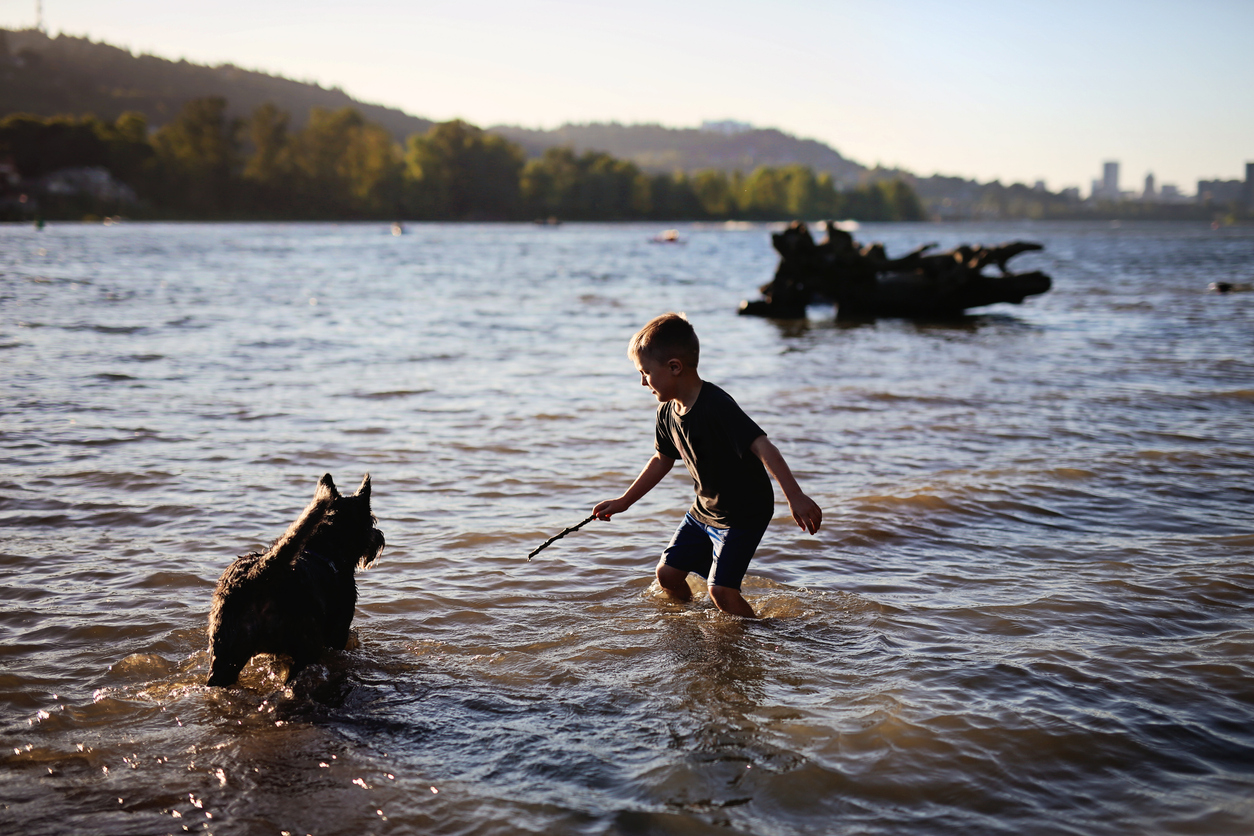
From the lush trails of the Columbia River Gorge to dog-friendly cafés in Portland and coastal getaways in Cannon Beach, Oregon pet parents live active, adventure-filled lives. Cities like Portland, Eugene, and Salem offer a blend of urban amenities and outdoor escapes, while natural destinations like Mount Hood and the Oregon Coast beckon hikers and campers.
But with Oregon’s rainy winters, wildfire-prone summers, and quick-changing mountain weather, pet care can be unpredictable. Whether it’s a foxtail injury on a hike or smoke inhalation during fire season, vet visits can happen when you least expect them.
That’s why more pet parents are asking: How much is pet insurance in Oregon? And more importantly, is it worth it?
With the ASPCA® Pet Health Insurance Program, you can create a flexible plan to help protect your pet and your wallet so you can enjoy the Beaver State without the stress of surprise vet bills.
Visit Any Licensed Veterinarian in Oregon
With ASPCA Pet Insurance, you’re free to visit any licensed veterinarian in Oregon or across the U.S. Whether it’s a clinic in downtown Portland or a rural vet near Crater Lake, your coverage goes with you.
With ASPCA Pet Insurance, you're covered from the Willamette Valley to the Wallowas—and everywhere in between.
The Cost of Veterinary Care in Oregon
From emergency rattlesnake bites to cold-weather joint injuries, Oregon’s environment presents real health risks for pets. Veterinary care here—like much of the West Coast—continues to rise in cost.
ASPCA Pet Insurance can help reimburse up to 90% of eligible vet bills, including diagnostics, surgery, chronic care, and more. Whether your pet needs an emergency visit in Bend or physical therapy in Eugene, coverage can help you manage costs without hesitation.
There are currently over 700 licensed veterinarians in the state of Oregon. Use our Vet Locator Tool to find one that works for you!
Oregon Pet Insurance Quotes
Pet insurance costs in Oregon can vary depending on a few key factors, like your pet’s age, breed, where you live, and the type of coverage you choose. Whether you’re raising a new puppy in Portland or caring for a senior cat in Bend, your premium will reflect your unique situation.
To give you a clearer picture, here are a few sample quotes showing what pet insurance could cost for dogs and cats across Oregon.
How Much Does Pet Insurance In Oregon Cost For Dogs?
| Species | Breed | Age | Zip Code | Estimated Premium |
|---|---|---|---|---|
| Dog | Labrador Retriever | 8 weeks | 97205 | Starting at $43.26 |
| Dog | Corgi | 3 years | 97401 | Starting at $29.53 |
| Dog | Medium Mix | 5 years | 97701 | Starting at $45.68 |
Estimated premium quotes based on a $5,000 annual limit, 80% reimbursement rate, and $500 annual deductible, as of 9/3/2025. Plan costs vary based on plan type, pet breed, age, and location. Take a look at a sample policy to see what’s covered.
How Much Does Pet Insurance In Oregon Cost For Cats?
| Species | Breed | Age | Zip Code | Estimated Premium |
|---|---|---|---|---|
| Cat | Domestic Shorthair | 8 months | 97035 | Starting at $19.73 |
| Cat | Siamese | 2 years | 97219 | Starting at $19.73 |
| Cat | American Longhair | 6 years | 97330 | Starting at $16.28 |
Estimated premium quotes based on a $5,000 annual limit, 80% reimbursement rate, and $500 annual deductible, as of 9/3/2025. Plan costs vary based on plan type, pet breed, age, and location. Take a look at a sample policy to see what’s covered.
Why Get Pet Insurance in Oregon?
From misty forests and rugged coastlines to high-desert trails and mountain lakes, Oregon is a beautiful and diverse place to raise a pet, but it also comes with unique risks. Here are some of the most common dangers faced by pets in Oregon:
Wildfire Smoke Inhalation
Each summer, wildfires affect large parts of Oregon, especially in southern and eastern regions.
Smoke from wildfires can irritate your pet’s lungs, eyes, and throat, particularly for flat-faced breeds or pets with existing respiratory conditions. Even indoor pets are at risk during days with poor air quality.
Foxtail Exposure
Foxtails are sharp, barbed grass seeds common in dry areas of Oregon.
These can burrow into a pet’s skin, ears, nose, or paws, sometimes requiring surgery to remove. Left untreated, they can cause infections or abscesses.
Rattlesnake Bites
In eastern and southern Oregon, rattlesnakes are a known hazard for pets who hike or explore rural areas.
A snakebite can quickly become a life-threatening emergency, requiring fast and costly treatment.
Cold-Water Exposure and Hypothermia
Even in summer, Oregon’s rivers, lakes, and ocean waters remain chilly.
Dogs who swim in cold conditions or stay wet for too long can experience hypothermia, especially smaller or short-haired breeds.
Leptospirosis and Waterborne Pathogens
Frequent rain and standing water create ideal breeding grounds for bacteria like Leptospira, which can be passed to pets through puddles, rivers, or contaminated soil. Infections can be serious or even fatal without treatment.
Joint Injuries and Orthopedic Issues
Oregon’s rugged landscapes and active pet culture mean dogs often run, hike, or climb on uneven ground.
Larger breeds, in particular, are prone to ACL tears, arthritis, or other orthopedic issues, especially without regular conditioning and preventive care.
By being aware of these risks and enrolling in pet insurance, you may help protect your pet—and your wallet—from Oregon’s unpredictable environment and outdoor lifestyle. Coverage from the ASPCA® Pet Health Insurance Program can help offer peace of mind, no matter what the trail ahead holds.
Fetch your quote faster than a frisbee on the Oregon Coast!
Five Dog Breeds That Do Well in Oregon Weather (And Three That May Struggle)
Oregon’s climate can be cool, rainy, and unpredictable, especially in the fall and winter.
Some dog breeds are naturally better suited for damp, forested environments and colder mountain conditions, while others may need extra support (or a warm sweater!) to stay comfortable.
Below, we explore five breeds that tend to thrive in Oregon—and three that may have a tougher time.
Labrador Retriever
Friendly, sturdy, and always ready for adventure, Labradors are a perfect match for Oregon’s outdoorsy lifestyle.
Their water-resistant double coat helps them handle rainy days and chilly temps, making them ideal for trail hikes and splashy beach walks.
Bernese Mountain Dog
With thick fur and a calm, steady demeanor, Bernese Mountain Dogs are built for colder climates.
They’re happiest in cooler seasons and love snow-covered hikes or laid-back cabin days in Central or Eastern Oregon.
Siberian Husky
Initially bred for snowy environments, Huskies are energetic, cold-tolerant dogs that thrive in cooler regions like Bend or Mt. Hood.
Just keep an eye on their strong prey drive during off-leash hikes!
Australian Shepherd
These smart, active pups are perfect companions for Oregon’s forest trails and high-energy activities.
Their weather-resistant coat and endurance make them great all-season explorers.
Golden Retriever
Gentle, trainable, and well-insulated, Goldens are just as comfortable bounding through Oregon mud as they are snuggling up on rainy days.
Their adaptability makes them a favorite across all regions of the state.
Breeds That May Need Extra Care in Oregon’s Climate
While many dogs can adjust to Oregon’s varied weather, some breeds benefit from added protection during the colder, wetter months:
- Chihuahua – Small and short-haired, they’re more sensitive to the cold and may need cozy layers on rainy walks.
- French Bulldog – Prone to breathing issues and sensitive to temperature extremes, they’re best kept warm and dry.
- Chinese Crested – With minimal fur, these dogs are vulnerable to both cold and damp conditions and should avoid prolonged exposure outside.
Note: Even though some breeds are more climate-adaptable than others, all dogs need proper protection in cold and wet conditions. Always dry your pet off after walks, offer warm bedding, and don’t let them stay outside for too long, especially in snowy or stormy weather. Pet insurance helps make sure your dog is covered, no matter the climate or breed.
Number of veterinarians in Oregon is based on internal data as of 9/3/2025.
The information presented in this article is for educational and informational purposes only and does not constitute or substitute for the advice of your veterinarian.
Helpful resources for pet parents
Browse categories
-

All About Catahoula Leopard Dogs
Catahoula Leopard Dogs are a beautiful breed that have an unmatched personality. Learn all you need to know about these dogs before adopting one of your own.
-

Pet Insurance Tales
From accidents and illnesses to chronic conditions, pet insurance can be utilized for a pet’s life.
-
How Much Does It Cost to Have a Dog?
Learn about the costs of having a dog and take our quiz to test your smarts.

Browse Categories
(opens new window)